Secret History Font: A Gothic Typeface with a Modern Edge
There’s a certain weight to letterforms that evoke history, mystery, and drama. The Secret History typeface captures this essence perfectly, offering a gothic aesthetic that feels both ancient and strangely contemporary. If you are looking for a premium font that bridges the gap between classic European calligraphy and exotic, intricate detailing, this is a design asset worth exploring. It doesn't just sit on the page; it demands attention, making it a powerful tool for brand identity and storytelling.
A Visual Style That Tells a Story
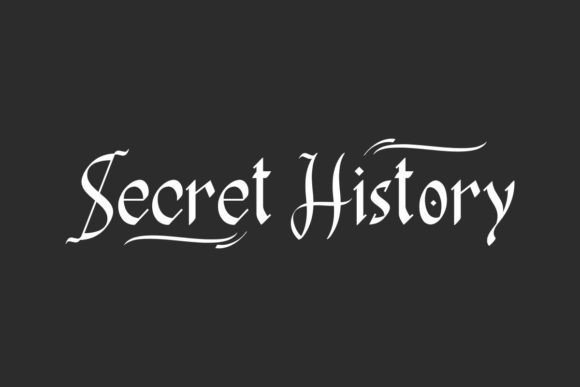
At first glance, Secret History presents the familiar, robust structure of a gothic font. However, a closer inspection reveals a distinct personality. The designer has infused the letterforms with sharp, angular strokes and high-contrast thick-to-thin transitions that remind one of medieval manuscripts. What truly sets it apart, however, is the subtle Arabic-influenced style woven into the serifs and terminals. This fusion creates a creative font that feels mysterious and worldly.
Unlike a standard serif font or a clean sans serif font, this typeface has a texture and grit. It works exceptionally well as a display font, meaning it shines brightest at larger sizes. Whether you are working on logo design, packaging design, or editorial design, the intricate details of the glyphs remain legible and visually striking. It is a typeface that speaks of secret societies, ancient texts, and hidden lore, making it ideal for projects that need a touch of the arcane.
Practical Applications for Creative Professionals
Understanding where a font fits into the market is just as important as liking how it looks. Secret History is versatile within specific niches. For entrepreneurs and small business owners, particularly those in the lifestyle, entertainment, or retail sectors, this font offers a distinct competitive advantage.
- Events and Festivals: If you are designing for a Halloween event, a medieval fair, or a music festival with a heavy metal or alternative theme, the Secret History typeface sets the mood instantly.
- Fashion and Accessories: Use it for boutique branding, hang tags, or social media graphics to convey a sense of edgy elegance or vintage luxury.
- Publishing and Media: Bloggers and publishers can use this for book covers, particularly in the fantasy, mystery, or historical fiction genres. It also works well for movie posters and game titles.
- Specialty Retail: Businesses dealing in antiques, handicrafts, or even specialty coffee shops with a dark, atmospheric vibe will find this font resonates with their customer base.
While you might not use it for body text in a long-form report, it is perfect for headlines, subheadings, and pull quotes. It acts as a visual anchor, drawing the reader's eye and establishing the tone before they read the first sentence of the copy.
Integrating Secret History into Your Design Workflow
Adopting a new typeface into your workflow requires more than just installation; it requires strategy. To get the most out of Secret History, consider how it interacts with other design assets.
Mastering Font Pairing
The golden rule of modern typography is contrast. Because Secret History is highly decorative and textured, it pairs best with something simple and understated. Avoid pairing it with other ornate script fonts or heavy handwritten fonts, as this will create visual chaos.
Instead, look for a clean sans serif font with open letterforms and steady line weights. A geometric sans-serif provides the perfect neutral backdrop, allowing the gothic character of Secret History to shine without overwhelming the viewer. This contrast ensures your visual hierarchy remains intact, guiding the user from the dramatic header to the clean, readable body text.
Evaluating Readability and Hierarchy
When working with a commercial font of this nature, context is everything. Secret History excels in creating a strong visual hierarchy. By using it for your primary headers, you establish a clear entry point for the reader. The ornate nature of the font signals that this is a key piece of information or a title.
However, readability considerations must be addressed. At small sizes, the intricate details of the Secret History font may become muddy or lost. This is why it is essential to test your designs at the intended output size. For web design, ensure that if you use this font for a hero image text, the resolution is high enough to preserve the sharpness of the serifs. For print, such as gift wrapping or event flyers, a larger point size is usually necessary to let the ink breathe within the letterforms.
Licensing and Project Fit
Before finalizing your design, always verify the licensing. As a premium font, Secret History typically comes with a license that covers both personal and commercial use, but it is vital to read the specific terms provided by the foundry. If you are a marketer creating assets for a client, ensure the license covers the scope of the client's usage, whether it is for digital ads, merchandise, or broadcast.
Take the time to evaluate the project fit. Ask yourself: Does my brand voice lean toward the mysterious, historical, or luxurious? If the answer is yes, Secret History is likely a strong candidate. If your brand is strictly corporate, minimal, or playful, this font might clash with your existing brand identity.
Elevating Your Brand Perception
Typography influences how an audience perceives the quality and reliability of a brand. Using a high-quality, well-designed font like Secret History signals professionalism. It shows that you have invested thought into your design assets and care about the aesthetic experience of your audience.
For content creators and crafters, this font offers a way to elevate a DIY project into something that looks professionally produced. It adds a layer of sophistication to magic show posters, café menus, or fashion lookbooks. The consistency of using a distinct typeface across your social media graphics and print materials builds recognition. Over time, your audience will associate that specific visual style with your content, increasing engagement and recall.
Ultimately, Secret History is more than just a collection of vector paths; it is a tool for atmosphere. By applying it thoughtfully, you can transform a standard layout into a compelling narrative that captivates your audience from the very first glance.