Dahlia: A Handcrafted Floral Font for Distinctive Branding
Understanding the Unique Character of Dahlia
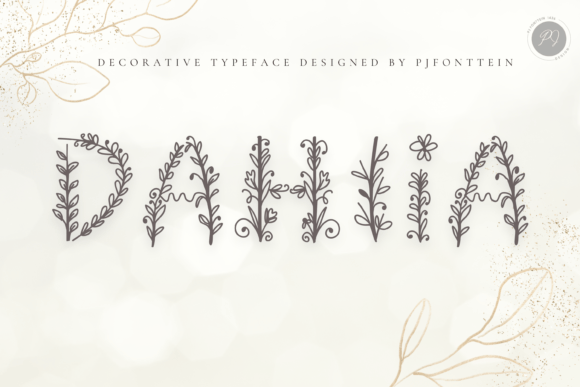
In a digital landscape saturated with generic typefaces, finding a font with genuine personality can feel like a breakthrough. Dahlia is precisely that—a premium font that isn't just a set of letters but a collection of individual floral artworks. Each character in the Dahlia typeface has been handcrafted with its own exclusive botanical pattern. There are no duplicates. This meticulous design approach means that when you use Dahlia, you're not just selecting a font; you're embedding a piece of organic, intricate art into your project. It’s a display font at heart, designed to capture attention and convey a sense of handcrafted elegance and natural beauty. Its personality is whimsical yet sophisticated, making it a versatile tool for creatives who want to inject warmth and authenticity into their work.
The visual style of Dahlia leans into a modern botanical aesthetic. Imagine the delicate lines of a script font or the casual feel of a handwritten font, but with each stroke replaced by a detailed floral motif. This gives it a unique texture and depth that simpler typefaces lack. It’s not a serif font or a sans serif font in the traditional sense; it occupies its own niche as a creative font that prioritizes artistic expression over minimalist readability. The overall appeal lies in its ability to communicate care, detail, and a connection to nature. For a small business owner crafting a brand identity, or a designer developing editorial design, Dahlia offers a way to stand out with a visual language that feels both personal and polished.
Practical Applications: Where Dahlia Truly Blossoms
Knowing where a specialized font like Dahlia works best is key to using it effectively. Its strength lies in projects where you need a strong visual hook and where text is used sparingly, such as in headings, logos, or featured quotes. In logo design, Dahlia can become the cornerstone of a brand's visual identity. Imagine a boutique florist, a sustainable skincare line, or a craft bakery using a Dahlia-inspired logotype. The font instantly communicates the brand's values—artisanal quality, attention to detail, and a natural ethos. This is where modern typography meets storytelling, allowing the brand name itself to tell a part of the story before a single word of copy is read.
Beyond logos, Dahlia shines in packaging design. A product label for a handmade soap, a tea brand, or a gourmet jam can use Dahlia for the product name to create an immediate shelf appeal. The unique floral patterns on each letter add a tactile, luxurious quality that can elevate the perceived value of the product. For social media graphics, it’s a powerful tool for creating standout quotes, promotional announcements, or Instagram story highlights that stop the scroll. Its intricate details look fantastic at larger scales, making it perfect for digital banners, website hero images, and event invitations. While it may not be suited for long paragraphs of body copy, its use in web design for headers and call-to-action buttons can significantly boost visual hierarchy and user engagement.
Integrating Dahlia into Your Design Workflow
Choosing to use Dahlia is the first step; integrating it thoughtfully is what creates professional results. A crucial consideration is font pairing. Because Dahlia is highly decorative, it pairs best with simple, clean typefaces. A classic sans serif font like Montserrat or Lato for body text creates a beautiful contrast, allowing Dahlia’s detail to take center stage without overwhelming the reader. Similarly, a simple serif font can complement its elegance for a more traditional feel. The goal is balance—let Dahlia be the star of the show, supported by a reliable, readable supporting cast.
Evaluating project fit is essential. Ask yourself: Does this project call for a decorative, attention-grabbing element? Is the primary goal to convey a specific aesthetic—like botanical, handcrafted, or whimsical? If the answer is yes, Dahlia is likely a strong candidate. Always test the font in context. View it at the intended size, on the intended medium—whether a mobile screen, a printed business card, or a product label. Check the legibility of the specific letters in your word or phrase. While each letterform is unique, some combinations might create unexpected visual rhythms. This is part of the creative process of working with a display font.
Finally, understand the licensing. Dahlia is a commercial font, meaning it typically requires a license for use in commercial projects, such as client work, products for sale, or monetized blogs. Review the license terms carefully to ensure it covers your intended use—whether for a single client, unlimited projects, or specific media like desktop, web, or apps. Using licensed design assets like Dahlia not only ensures legal compliance but also supports the independent creators who pour their talent into developing these unique tools. By incorporating Dahlia thoughtfully, you can add a layer of artisanal charm and distinctiveness to your work that truly resonates with your audience.